Leben an und mit der Grenze. Erkundungen zwischen Slowenien und Kroatien
Zwischen Nationalhelden und Massengräbern
Über die erinnerungskulturellen Denkmäler zum Zweiten Weltkrieg in Bistrica ob Sotli
Christian Frühwirth
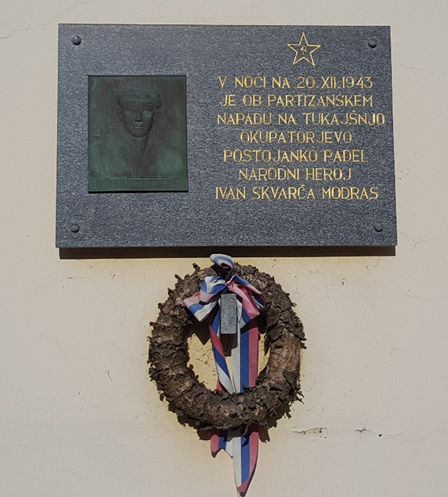
Based on an observational walk through the small border village of Bistrica ob Solti, the essay discusses five monuments commemorating historical events during the Second World War. The essay uncovers various dimensions of commemoration as well as contradictory historical narratives, each of which attempts to claim public space and thus express current political developments.
„Tito, eine Legende, die ewig lebt!“
Orte der Erinnerung an Josip Broz Tito in Kumrovec
Orsolya Pataki
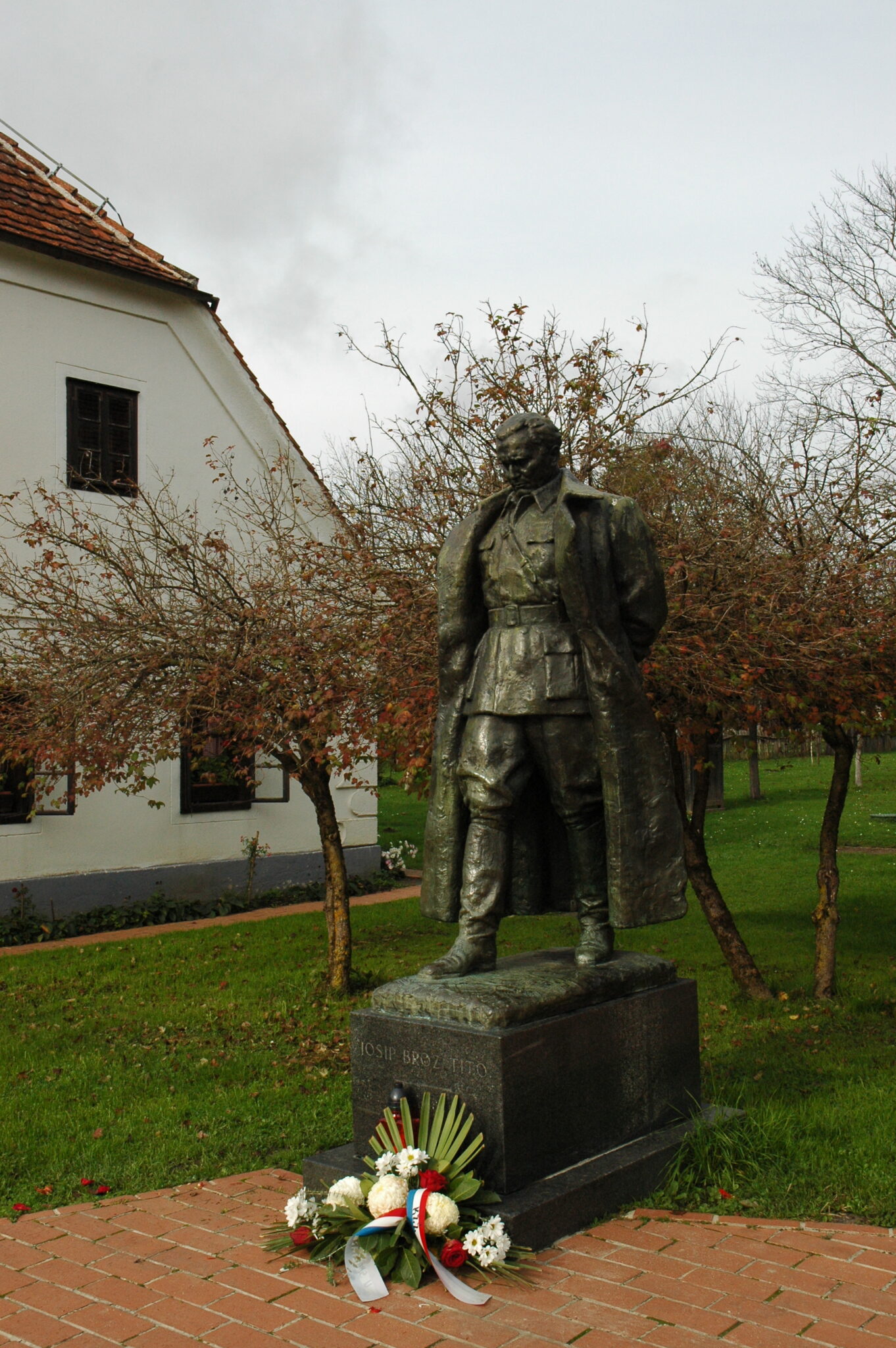
The Croatian village Kumrovec is known worldwide as the birthplace of Josip Broz Tito, the former president of Yugoslavia.Ever since his death in 1980 and the collapse ofthe multi-ethic state in 1992, an emptiness created by the loss of ideological cohesion has kept the community trapped in a state of suspension between past and future, oblivion and revival. During a three-day field trip, I explored Kumrovec and its numerous places of remembrance dedicated to Tito through participant observation as well as interviews in order to show how significant the reference to the past remains for the village. The first part of this essay focuses on the open-air museum Staro Selo, which houses Tito’s birth house and life-sized statue and is hoping to establish a new identity. The museum offers a nostalgic look back on Tito’s life, but employees question this connection and aspire to a non-political future as a purely ethnographic museum, with a focus on rural Croatian life. In the second part I introduce the Political School and Spomen Dom as strong examples of emotional emptiness. The increasingly neglected buildings, once cultural centres of the country, are reminiscent of Tito’s political career, which does not match the heroic role attributed to him in the rest of the village. These buildings are possibly the strongest signs that even 30 years after the break-up of Yugoslavia, Kumrovec has yet to find a way to deal with the legacy and memory of Tito
Unsichtbare und sichtbare Grenzen
Antonia Prill
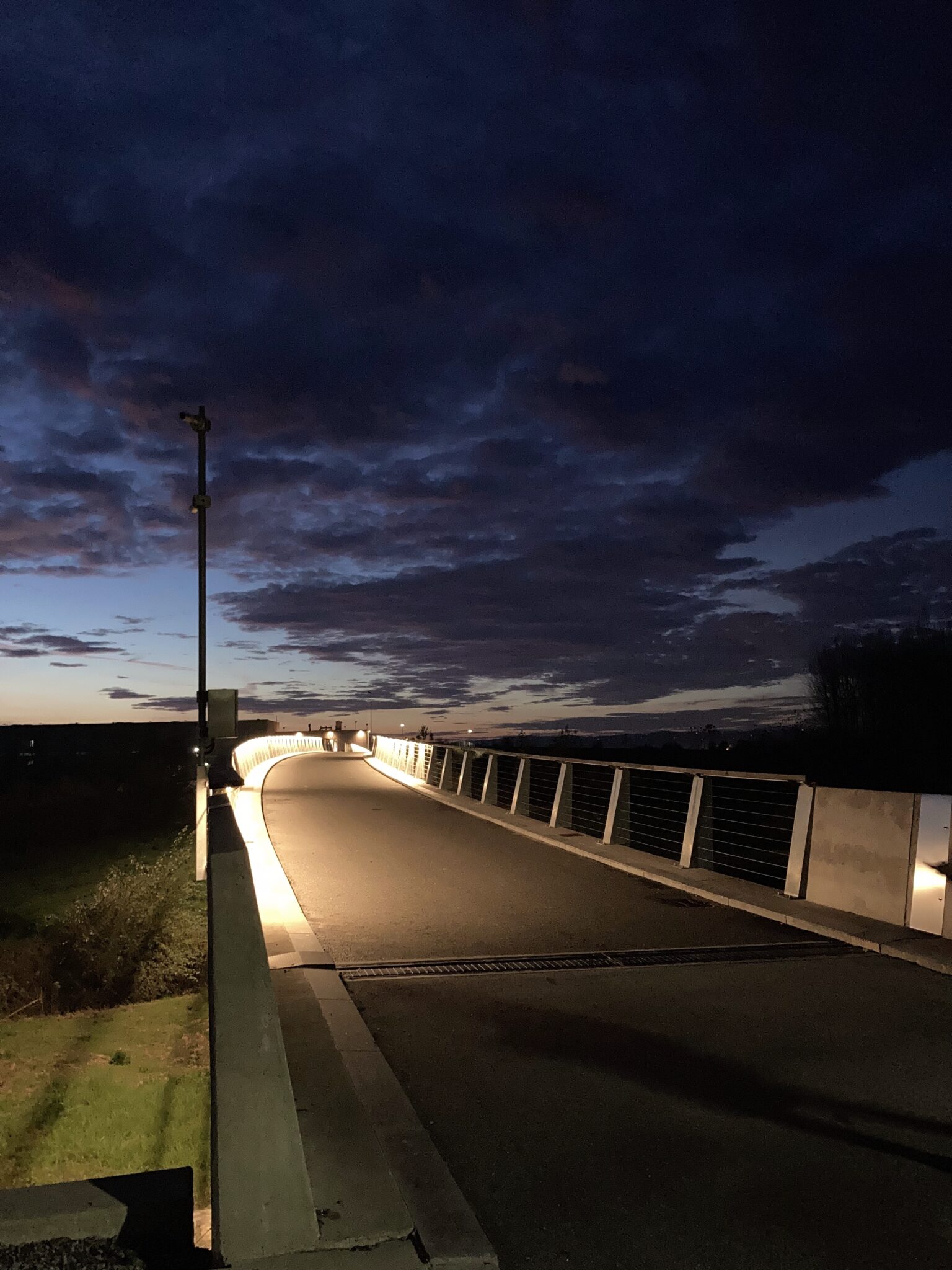
This study highlights that people experience the significance of the border differently, affecting their identities and community ties. By looking at both visible and invisible borders, I aim to provide a deeper understanding of how these boundaries shape life in Bistrica ob Sotli and Kumrovec.
Your passport, please…
Hannelore Kohlweg
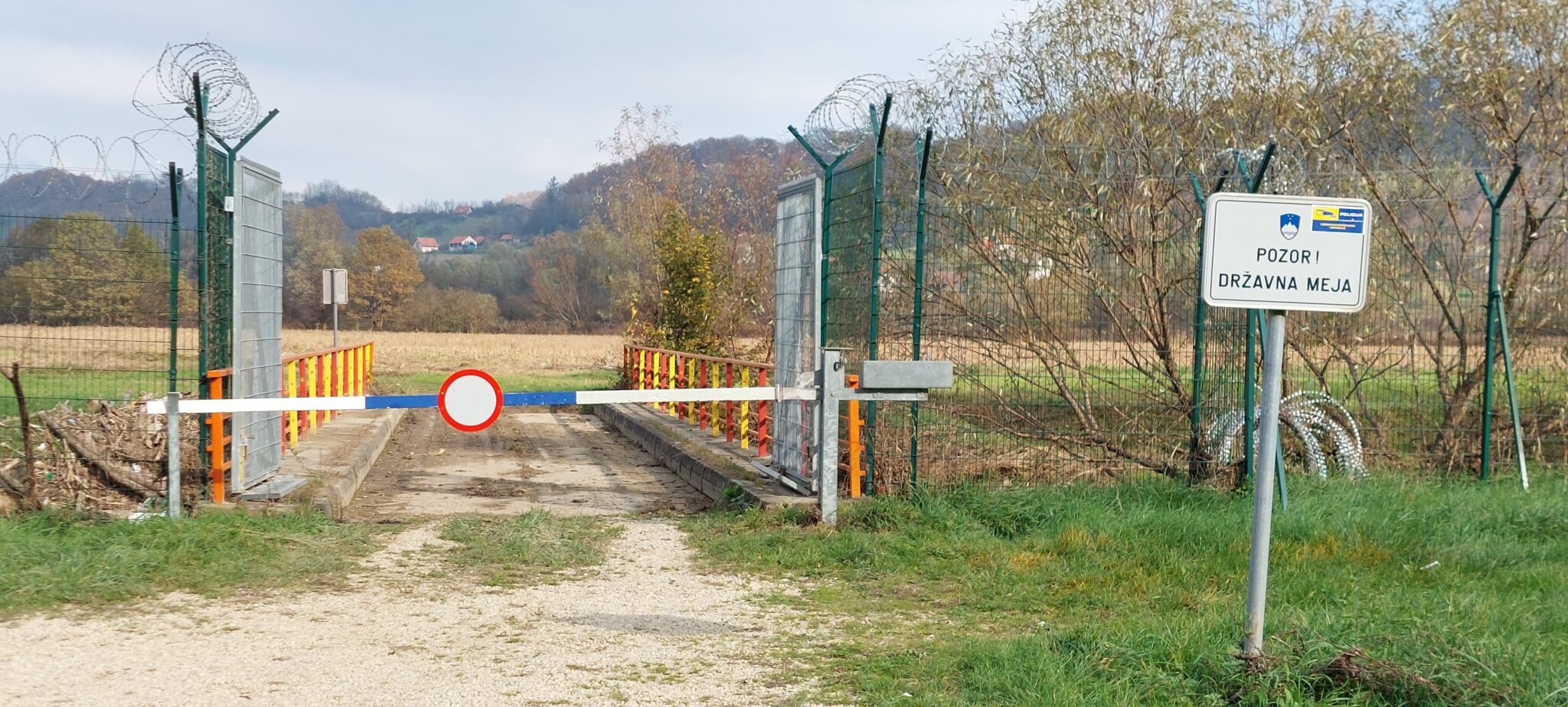
A personal experience of an unauthorized border crossing at the green border between Slovenia and Croatia in the fall of 2022 is the starting point of this ethnographic vignette. The analysis of my physical and psychological experiences in a border control situation allows me to reflect on the various forces and powers that shape this field. Thereby, I examine various concepts of border, border lines and traces, citizenship, and border regimes from a cultural anthropological perspective.
Innovation, Kreativität und Koexistenz. Eine ungewöhnliche Musikszene an einem scheinbar gewöhnlichen Ort
Maja Heimerl
This essay explores the unique cultural and musical landscape of Bistrica ob Sotli, a small Slovenian village near the Croatian border. Despite its modest size and seemingly typical rural appearance, Bistrica ob Sotli is home to the remarkable Klub Metulj (“Butterfly Club”), which serves as both a music club and a youth center. Contrary to initial expectations, the club enjoys robust support from the local community and the mayor, fostering a vibrant music scene that bridges generational divides.